30 avril 2026
It’s Not the Leave. It’s What Stops Moving.
What companies miss when a leader steps away - and why the cost shows up months later.
Theresa Gschwandtner
Founder & CEO, Kundra
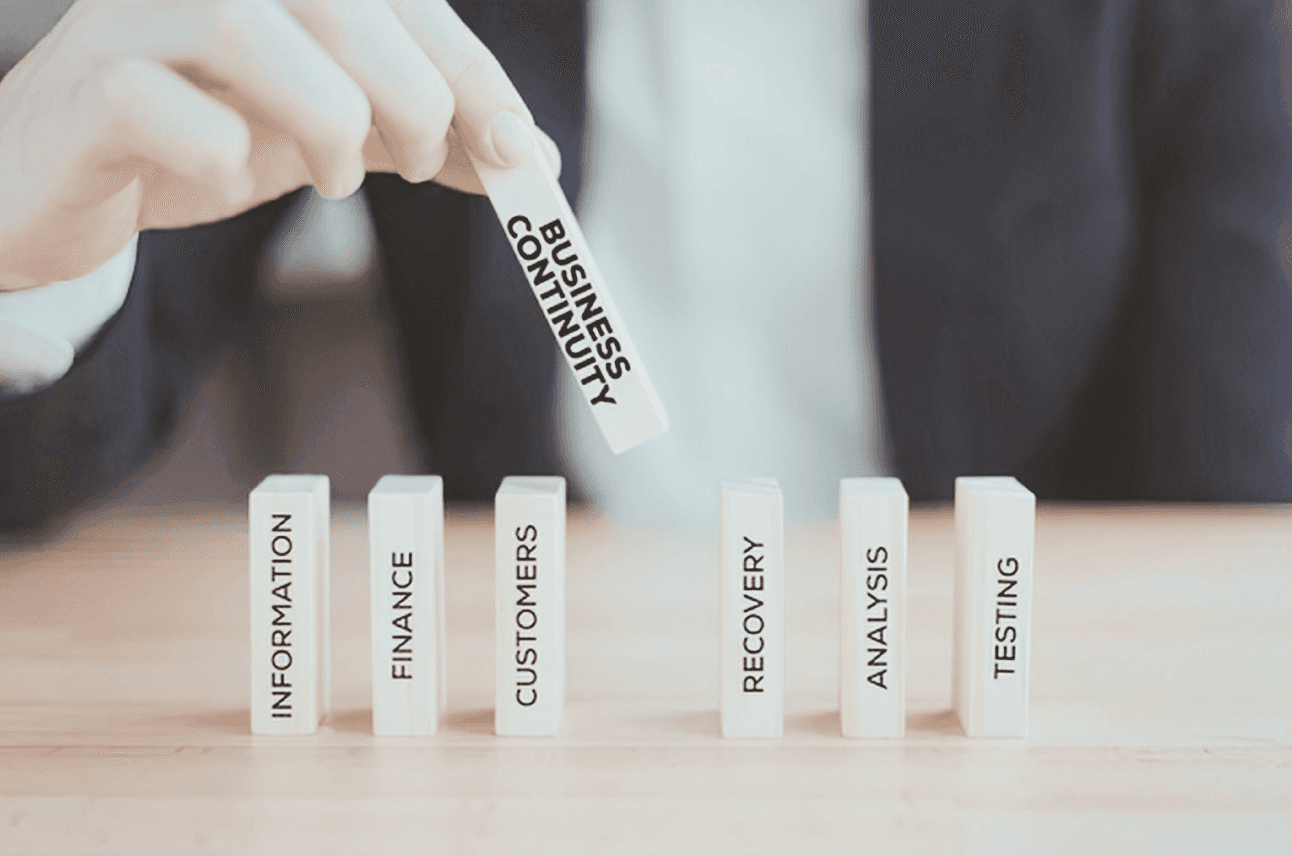
A senior leader leaves for maternity leave.
When she comes back, her team is gone.
Projects have stalled.
And a key growth initiative - one that now drives a significant share of revenue - hasn’t moved.
Not because it wasn’t important.
But because no one owned it while she was away.
The cost isn’t the absence
Most companies think they understand the cost of parental leave.
They calculate:
salary coverage
temporary redistribution of work
short-term productivity loss
But that’s not where the real cost sits.
The real cost shows up later.
In what didn’t happen.
In this case, the business unit that stalled during her absence eventually became one of the company’s main growth drivers.
Today, it represents a large share of revenue.
But it started a year late.
Not because of strategy.
Not because of market conditions.
Because no one had the mandate - or the capability - to push it forward while she was gone.
The cost wasn’t her absence.
It was everything that didn’t get built during it.
Where companies get it wrong
Most organizations approach leave transitions as a backfill problem.
Who replaces the person?
Can we redistribute the workload?
Can the team “manage” for a few months?
On paper, it often feels manageable.
Especially in high-performing teams.
But leadership isn’t a role you temporarily fill.
It’s a set of outcomes:
decisions that get made
priorities that move forward
problems that get solved early
people that stay aligned and supported
When those outcomes are not explicitly reassigned, they don’t “pause.”
They disappear.
The key shift
The mistake companies make is trying to replace a person.
The real challenge is maintaining continuity of outcomes.
That requires a different way of thinking.
Not: “Who will take over her role?”
But: “What cannot afford to stop while she’s gone?”
Three things need to be made explicit:
1. Coverage
Who owns decisions and direction in her absence?
2. Continuity
Which priorities must keep moving - no matter what?
3. Capability
What skills are required to deliver those outcomes?
Because the reality is:
You don’t need a perfect replacement.
You need the right coverage for the right outcomes.
What good looks like
In another case, a senior leader approached her leave differently.
She started planning months in advance.
She didn’t assume her team could absorb everything.
She didn’t default to an internal redistribution.
Instead, she mapped:
her key responsibilities
the upcoming business priorities
the gaps in capability within the team
And made a deliberate decision.
Not to “replace herself.”
But to bring in someone who could move the business forward in her absence.
She hired externally - not for role matching, but for skill coverage.
She narrowed the focus to a few critical objectives.
She ensured management continuity for her team.
She structured onboarding around stakeholders and decision flows.
The result wasn’t just stability.
It was progress.
The decision companies avoid
Hiring external support during leave is often framed as a cost.
But not hiring is a decision too.
A decision to:
delay growth
slow execution
increase pressure on already stretched teams
accept blind spots in leadership
And sometimes: A decision to rebuild what breaks later.
Because when continuity isn’t designed, the system improvises.
And improvisation doesn’t scale under pressure.
This isn’t an HR topic
Parental leave is predictable.
Leadership absence is predictable.
What’s unpredictable is how unprepared most organizations are for it.
This isn’t about policies.
It’s about execution.
It’s about whether your organization can maintain momentum when key people step away.
The question isn’t: “How do we manage the leave?”
It’s: “What cannot afford to stop?”
What it changes - long after the leave
The impact doesn’t stop when the person comes back.
It shows up months later:
in delayed initiatives
in teams that had to be rebuilt
in priorities that lost momentum
in leaders who hesitate before stepping away again
In this case, the leader openly questioned whether she could afford to take another leave.
Not because she lacked ambition.
But because she had seen what happens when the system doesn’t hold without her.
Final thought
Most companies treat leave as a temporary disruption.
In reality, it’s a stress test.
Of your structure.
Of your leadership model.
Of your ability to maintain continuity.
If a key leader in your company stepped away tomorrow - what would stop moving?